
How to plan a festival aftermovie that people actually rewatch
An aftermovie is next year's ticket campaign. Here's how organisers can brief, schedule and set up a shoot so the film captures the night the way it felt.
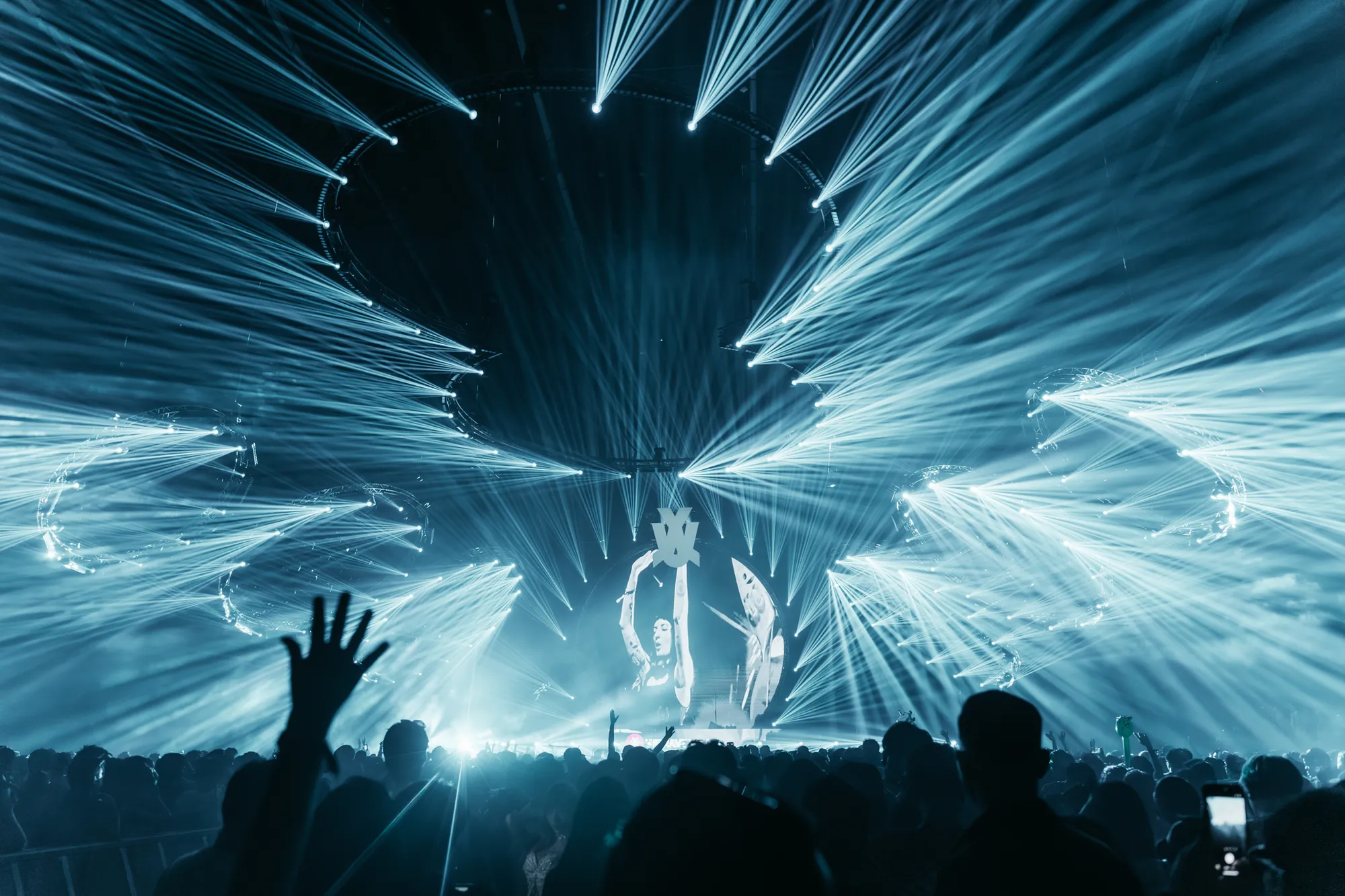
A great aftermovie does two jobs at once. For the people who were there, it brings the night back. For everyone who wasn't, it's the reason they buy a ticket next year. That second job is why the planning matters as much as the filming.
We've filmed festivals and club nights across Australia, Thailand and Southeast Asia, from 808 Festival to John Summit at Siam Songkran. These are the things that make the biggest difference before a single frame is shot.
Start with the feeling, not the line-up
Most briefs list the headliners and the stage design. That's useful, but the strongest aftermovies are built around one feeling: euphoric, dark and underground, sun-soaked, intimate. Decide that first. It shapes the music, the pacing, the colour grade and which moments the crew chases on the night.
A useful exercise: pick three words you want someone to feel in the first ten seconds. Share them with your videographer and your marketing team so everyone is working towards the same film.
Share the run sheet early
The best moments are often scheduled: the headliner's first drop, a pyro cue, a confetti cannon, the sunset set. Send your videographer the run sheet, set times and any special effects cues as early as you can, and flag the moments that matter most to you.
- Set times for every stage you want covered
- Effects cues such as CO2, pyro, lasers and confetti
- Access: stage, pit, side-stage and any rooftop or elevated positions
- Artist restrictions, so nobody films where they shouldn't
Plan coverage, not just cameras
More cameras doesn't automatically mean a better film. What matters is where they are at the key moments. A typical plan balances three kinds of shots:
- The scale: wide shots of the stage, the crowd and the venue that show how big the night was
- The people: faces, reactions, friends on shoulders, the moments that make viewers feel they're missing out
- The details: wristbands, lights, hands on the decks, the small things that give the film texture
Agree in advance who covers what, especially if the event runs across multiple stages at the same time.
Decide your deliverables up front
An aftermovie is rarely just one video. Think about where it will live and plan the cuts before the event:
- A hero aftermovie for YouTube and your website
- Vertical cuts for Instagram Reels and TikTok
- A short highlight reel to post while people are still talking about it
- Stills or short clips for artists, sponsors and partners
Timing matters. A 60-second highlight reel delivered within 48 hours keeps the momentum going, while the full-length film can follow once it has had a proper edit. We cover how that fast turnaround works in our post on 48-hour highlight reels.
Sort out the music early
Music makes or breaks an aftermovie, and it's also where projects get stuck. If you want to use an artist's track, get permission from the artist and label before the edit starts. If that isn't possible, agree on licensed music that matches the feeling you chose at the start.
Planning a festival or event? Have a look at our festival and event work, then tell us about your event.
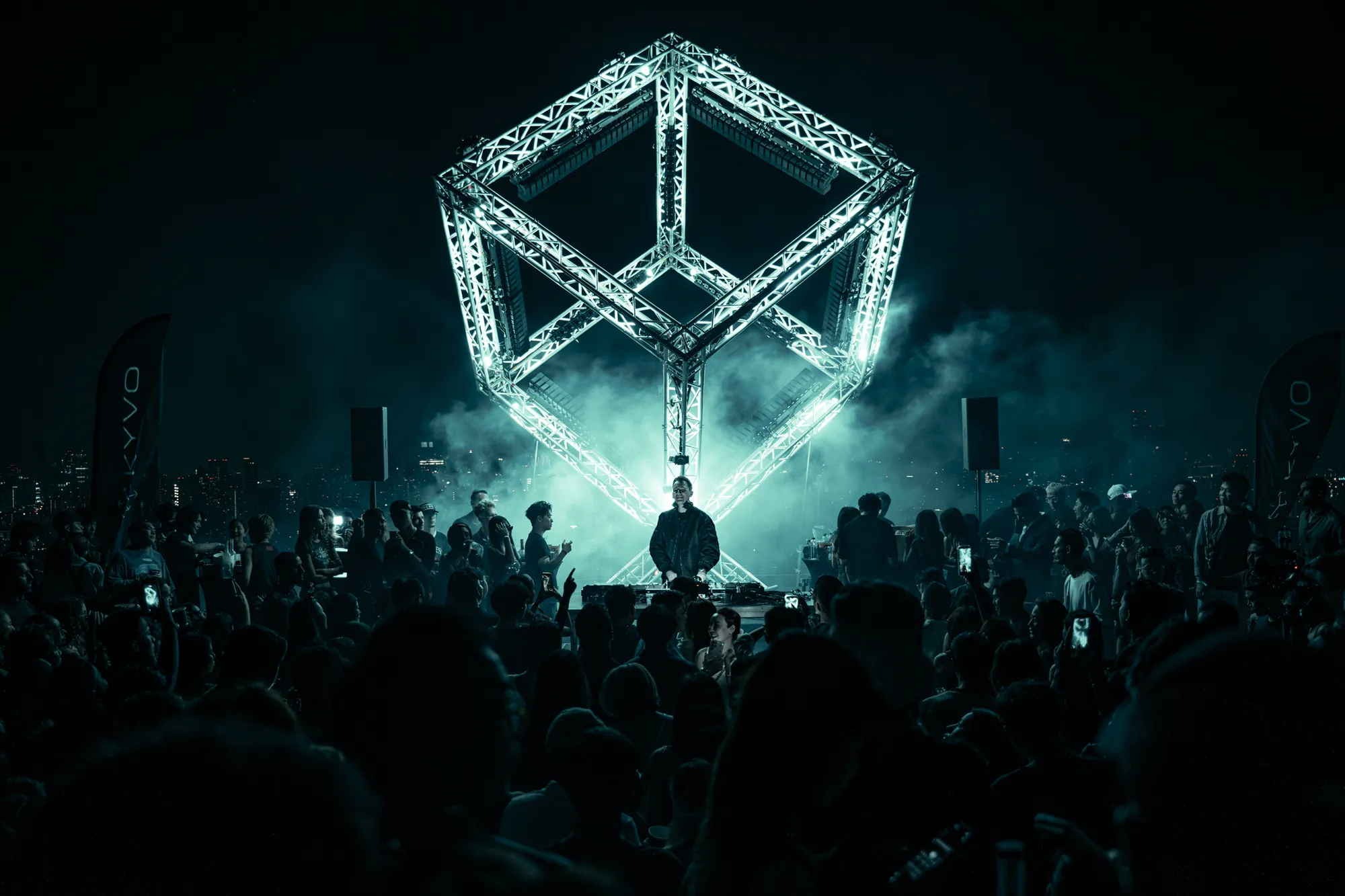
How much does event videography cost? What actually affects the price
There's no single price for event videography. Here are the factors that shape a quote, so you can compare offers fairly and brief your videographer properly.
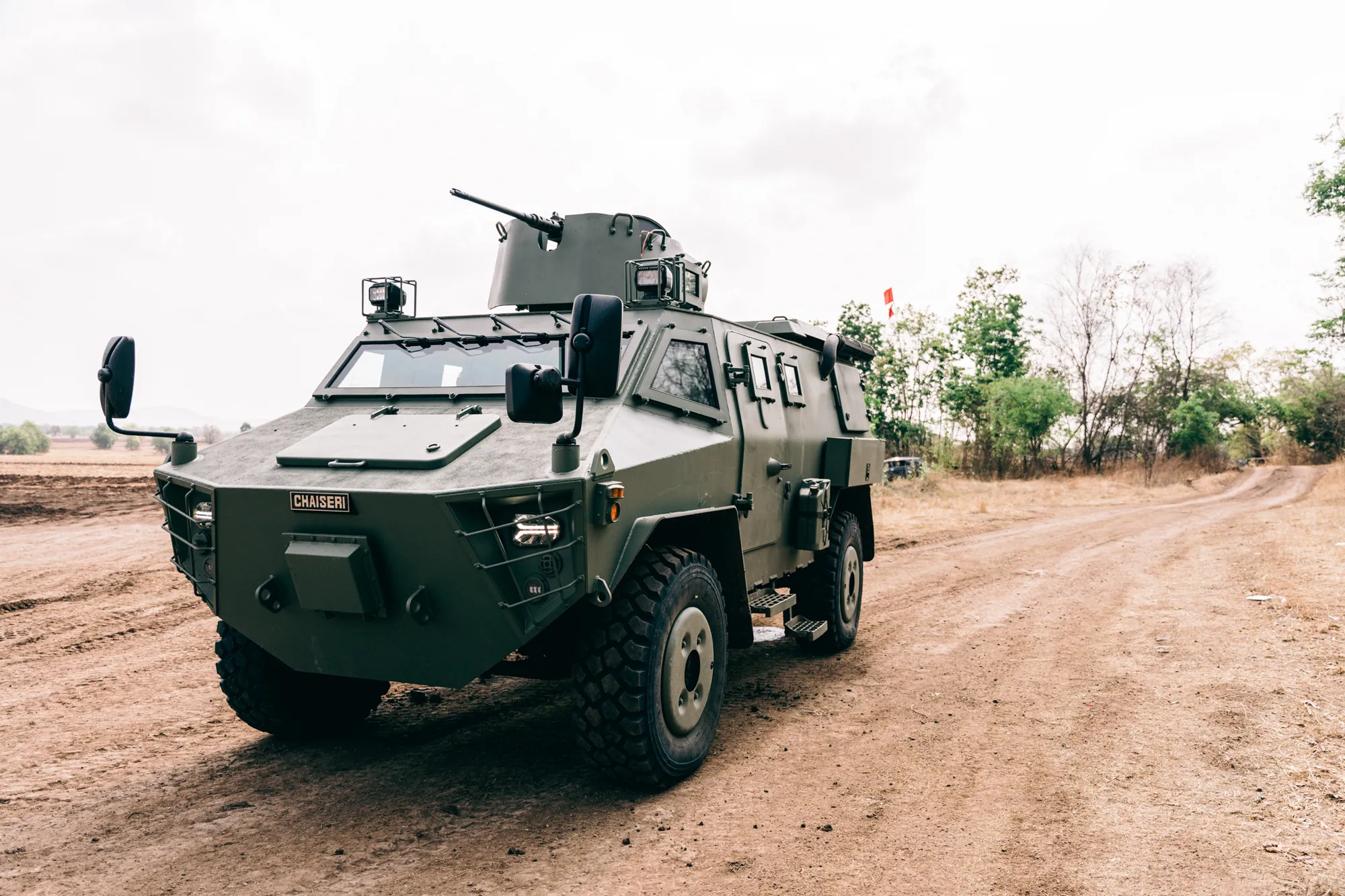
Brand film vs commercial: which one does your business need?
They're both video, but they solve different problems. A quick guide to choosing between a brand film and a commercial, and briefing each one well.
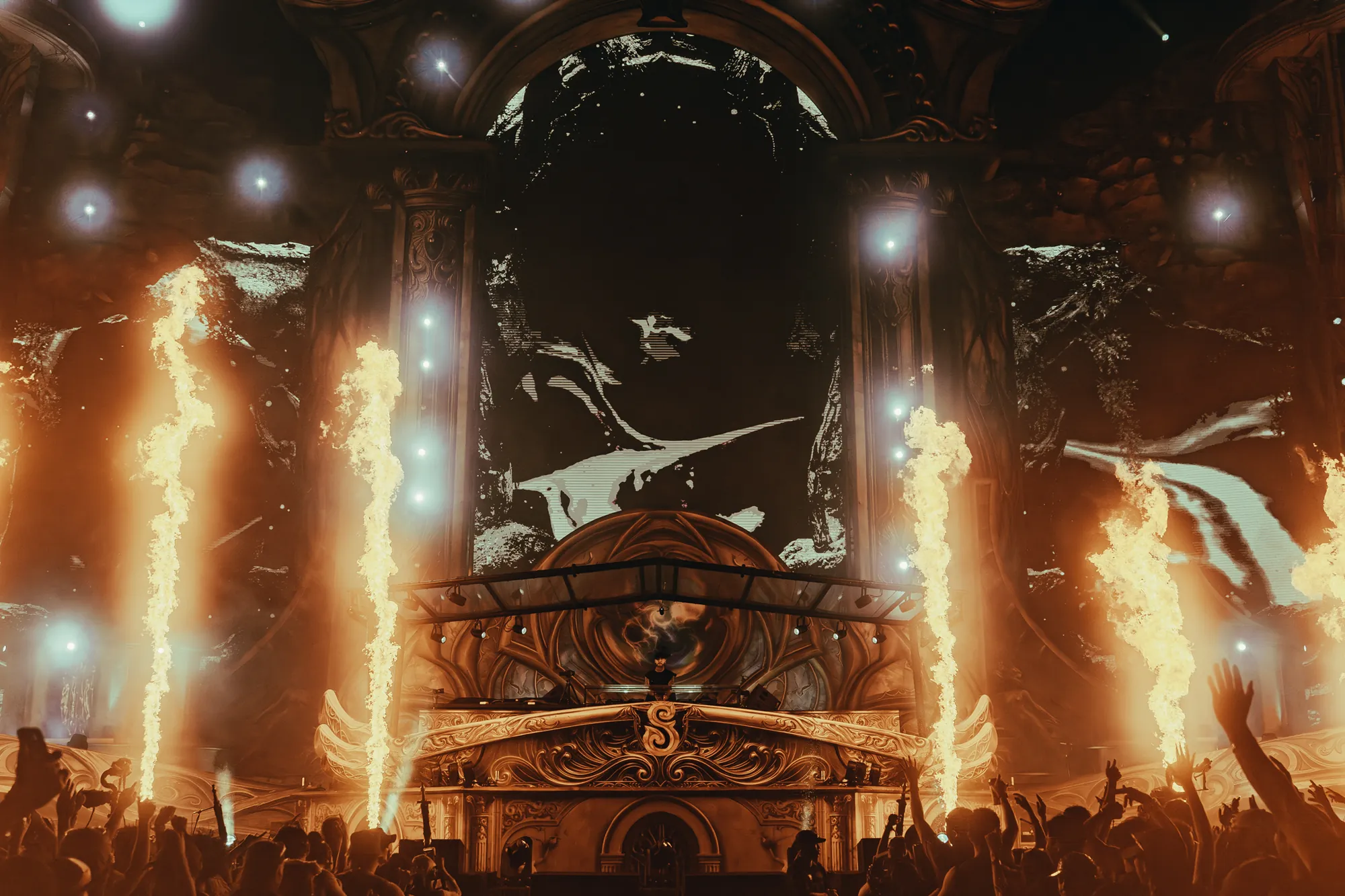
What goes into a 60-second highlight reel delivered in 48 hours
The night ends, the crowd goes home, and the clock starts. Here's what happens between the last song and a 60-second highlight reel two days later.
Interested?
Work with us.
Whether you're launching a campaign, producing an event, or building a brand from the ground up, we'd love to hear your ideas.